October is a favorite month for me. We’re no longer suffering the intense heat of summer, and winter’s constant chill is still a
couple of months away. Here in the mid-south, the trees begin to put on their fall colors with most of their leaves still intact. It may be my imagination, but I always feel a certain calm settling upon the world as the days shorten.
Of course, the world’s turmoil never ceases, regardless of the season. Death and destruction fill our newsfeeds—wars, hurricanes, angry young men with guns. I find it challenging to
appreciate life’s blessings without feeling guilt. So many people are suffering, and I know things could be different for me. It’s easy to forget the joys and small pleasures of being alive.
Going into nature for a hike or sitting on a log to contemplate the world helps me to put things in perspective, especially in autumn. As nature prepares for the harsher days of winter, this season becomes a time for
reflection.
Watching trees shed their summer foliage and squirrels gathering acorns to bury for winter’s leaner days reminds me that all things turn in cycles of endless transformation. As I sit in the woods in autumn, the season’s liminality brings to mind the Hindu concept of samsara, the spiraling cycle of life, death, and rebirth again to a new life.
Contemplating such cosmic thoughts while enjoying a quiet moment in nature does not deny the suffering of others. On the contrary, I am reminded that brutality and violence are everywhere, even in the most tranquil settings. The natural world has plenty of violence—as Alfred Lord Tennyson put it, “Nature, red in tooth and claw.”
For me, a brief escape from the red teeth and claws of the news
cycle is not a denial of the world’s harshness. Instead, it reminds me of the impermanence of all things, both suffering and joy.
We can work for change, advocate for justice, and bring help to those faced with unimaginable brutality, but suffering remains. Our efforts, though, can bring some relief and perhaps joy to those who have experienced the tooth and claw of a harsh world.
May you have some joy and quiet moments of contemplation in this season of change.
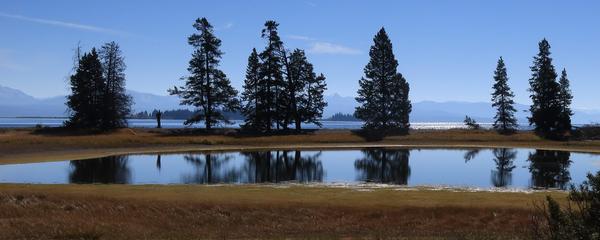
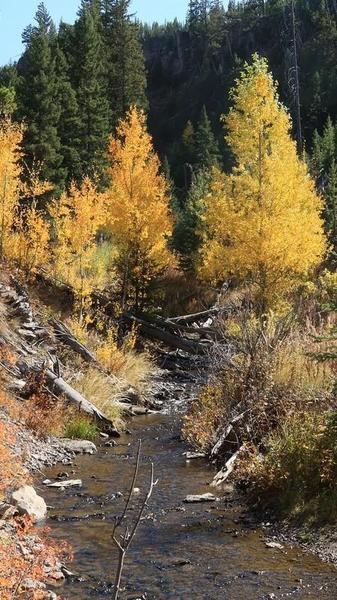
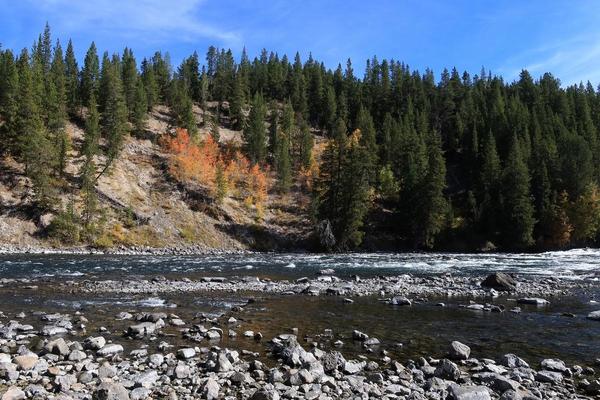
Romance in Yellowstone: The best day of my life:Autumn in Yellowstone National Park is beautiful beyond words, with warm days, cold nights, and
golden aspen mixed among the dark ridges of pine. A picture-perfect autumn day in 1978 changed two young lives and sent them on a journey they are still traveling nearly a half-century later. This story tells how they came together and how that magical day in Yellowstone led them into an enduring bond.
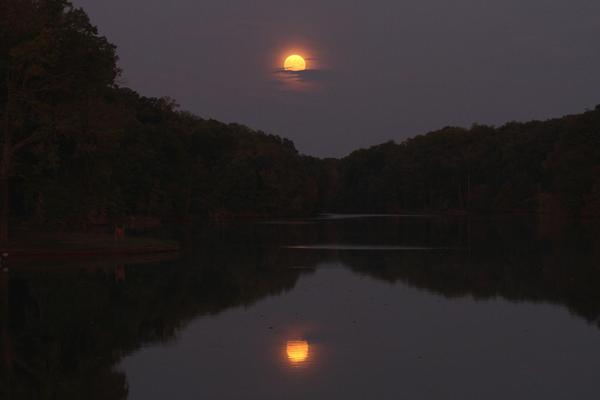
Moonrise Over a Living Forest: Ode to Meeman-Shelby Forest State Park, Tennessee: Meeman-Shelby Forest State Park is a short drive
from our home in Memphis, Tennessee. It has been a welcoming forest for camping and hiking, and we have witnessed countless moonrises from the shores of Poplar Tree Lake in the park. This second-person ode contemplates these experiences and the wisdom gained from knowing this special place in western Tennessee.
Featured Photo
Autumn trees, Rhodes College
(Photo by T.S. Bremer, 2021)
Trees help Rhodes College earn recognition as one of the most beautiful campuses in the United States. With more than 1500 trees representing over 120 species, the Rhodes campus hosts a certified Class IV
Arboretum. This urban forest puts on a spectacular show in the fall, outdone only by its prolific blossoms of springtime. You can view other photos of the Rhodes College campus on the gallery page.
Eating our way to a better future: "Curbing the carbon footprint of what
we eat won’t require an agricultural revolution. It's already happening in farms and ranches across the country." Can we eat our way out of the climate crisis? | Grist
A tribal college
internship aims to bring back the bison: “To let something as important as buffalo go extinct is unthinkable. And to bring them back to their homelands, it’s something that we have to do. And for Tribal members it’s something that has to be a part of our daily lives.” Rewilding the American Serengeti - YES! Magazine
Solutions Journalism (yesmagazine.org)
I usually recommend a book here, but I listen regularly to podcasts and this month I must give a shout-out to a podcast from National Public Radio. Journalist
Marissa Ortega-Welch is an avid hiker, backpacker, and lover of wild places in the United States. In the seven episodes of her podcast, she explores ideas of “wilderness” historically and how the concept is changing. Along the way she raises critical questions about the assumptions and practical implications of the 1964 Wilderness Act. She also engages in a clear-eyed assessment of how understandings of wilderness intersect with racial, economic, and technological forces. Anyone who loves nature
and enjoys outdoor recreation will be interested in this excellent series. You can learn more, listen, and subscribe here.
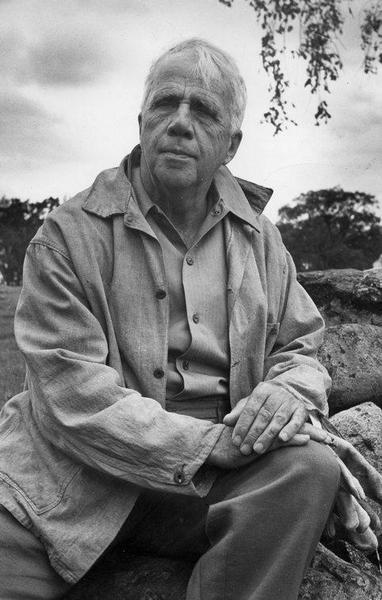
New England's Farmer Poet
Robert Frost's poetry is indelibly associated with the countryside of his New England home. According to Catherine Boeckmann of The Old Farmer’s Almanac, Frost owned a small farm in Derry, New Hampshire and would milk the cows at midnight so that he could write poetry through the night and not have to get up early for milking. In this poem addressed to October, he asks the month to go slowly, presumably to put off the inevitable arrival of winter.
October
O hushed October morning mild, Thy leaves have ripened to the fall; To-morrow's wind, if it be wild, Should waste them all. The crows above the forest call; To-morrow they may form and go. O hushed October morning mild, Begin the hours of this day slow, Make the day seem to us less brief. Hearts not averse to being
beguiled, Beguile us in the way you know; Release one leaf at break of day; At noon release another leaf; One from our trees, one far away; Retard the sun with gentle mist; Enchant the land with amethyst. Slow, slow! For the grapes' sake, if they were all, Whose leaves already are burnt with frost, Whose clustered fruit must else be lost— For the grapes' sake along the wall. – Robert Frost
[From Frost's first commercially published book of poetry, A Boy's Will, in London (1913) and New York (1915).]
I would love to hear from you.
You can reach me by replying to this email or clicking on the Contact button.